
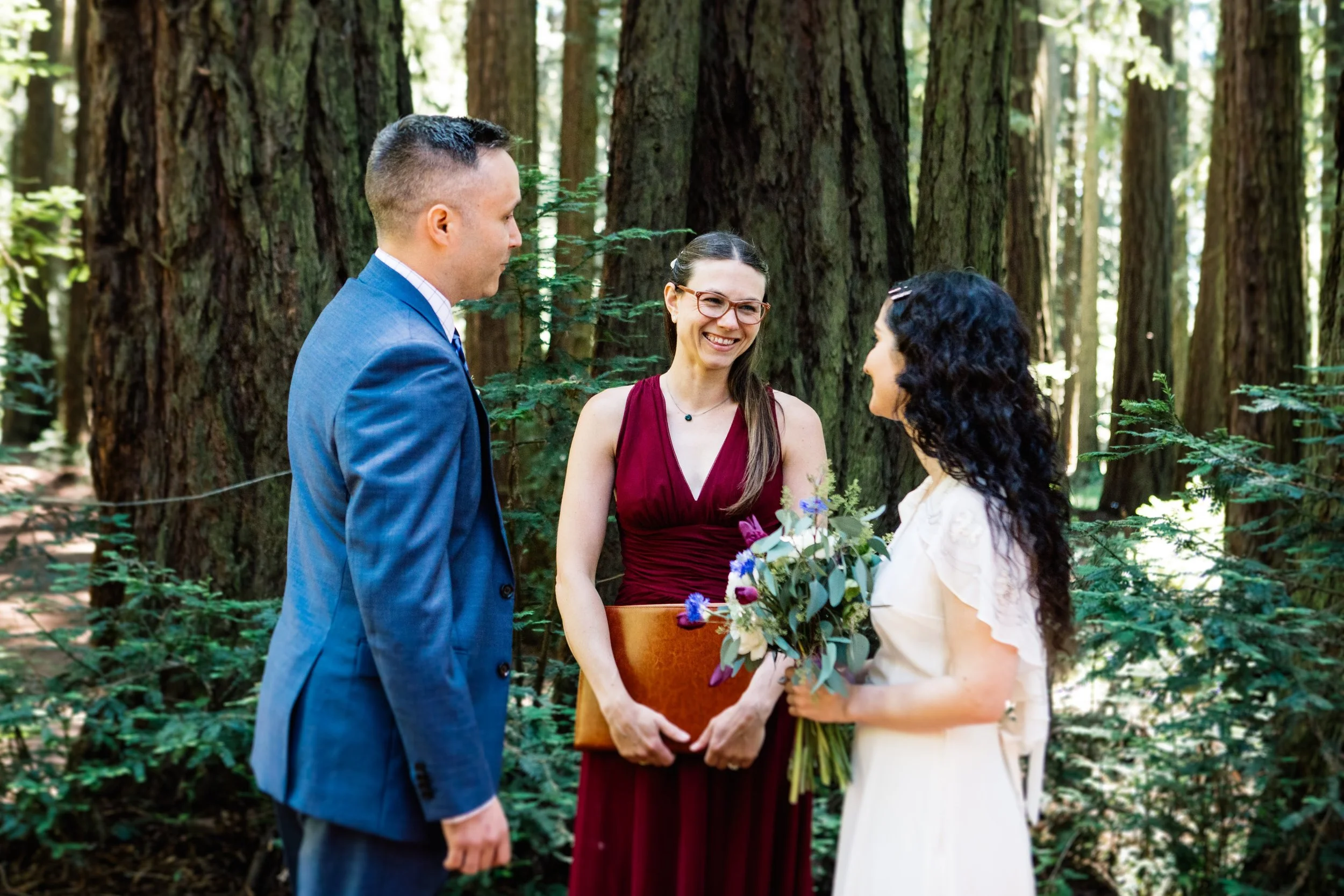
How Pre-Marital Coaching Prevents Future Conflicts
Getting engaged is often filled with excitement, hope, and big dreams for the future. You imagine growing old together, supporting each other, and building a life that feels meaningful and secure. And while love is a powerful starting point, love alone doesn’t automatically prepare us for the realities of marriage.
Marriage brings closeness, but it also brings responsibility. Couples often experience moments of misunderstanding or conflict over small things. These challenges usually arise from a lack of understanding, communication, or patience.
So, how do you prevent your relationship from struggling after marriage?
The best approach is to prepare for these moments before getting married. Sarah Melissa Oswald supports couples through pre-marital coaching, helping them build strong foundations and prevent future conflicts. Let’s explore how this process works.

What Is Pre-Marital Coaching?
Pre-marital coaching is a guided process in which couples work with a trained professional to explore their relationship before getting married. It is about strengthening your relationship.
During coaching sessions, couples openly discuss topics that often cause tension later in their marriage, such as communication, expectations, finances, intimacy, family dynamics, conflict styles, and emotional needs. With professional guidance, couples learn how to stay regulated in their nervious system while navigating these challenges.
How Does Relationship Coaching Before Marriage Builds Long-Term Stability?
After marriage, conflicts often arise from misunderstandings, unspoken expectations, or old habits that resurface under stress. Even small issues can grow if a couple isn’t aware of how they communicate or make decisions together.
Pre-marital coaching helps couples address these challenges early, so they can communicate more clearly, understand each other’s needs, and address difficult situations before they escalate.
1. Improving Communication Before Misunderstandings Grow
One of the biggest reasons conflicts arise after marriage is ineffective communication. When couples don’t feel heard or understood, small issues can quickly escalate.
With pre-marital coaching, couples learn how to express themselves clearly, listen with intention, and communicate even during emotionally charged moments. By practicing these ways of connecting early, couples are better equipped to handle disagreements without causing harm to the relationship.
2. Clarifying Expectations and Shared Values
Many conflicts arise from assumptions that were never discussed. Expectations around roles, priorities, lifestyle, or future plans can differ, even in loving relationships.
One partner may expect household chores to be shared equally, while the other assumes certain tasks are “their responsibility.” Without discussing these expectations, small disagreements can quickly lead to frustration.
Couples coaching focuses on these issues and helps you build an understanding of each other’s preferences and expectations. You’ll learn to recognize what matters most to your partner and how to communicate your own needs and desires in a clear and caring way.
For instance, instead of sharply saying, “You never help around the house!” you will learn to thoughtfully communicate, “I feel overwhelmed when chores pile up; can we find a way to divide them that works for both of us?” Or instead of assuming your partner knows your financial priorities, you’ll learn to express, “It’s important to me that we set aside savings for our future. How do you feel about that?”
Check out the podcast - Harnessing the power of respectful relationships
3. Addressing Unhealthy Patterns Before They Repeat
After marriage, stress can trigger old habits, such as avoiding conflict, becoming defensive, or reacting emotionally. When these patterns go unrecognized, they tend to repeat and deepen over time.
A pre-marital coach helps couples understand the root causes of these patterns and how they show up in their relationship.
You will learn to say, “I need a moment to regulate, but I want to continue this conversation calmly in a few minutes.” Practicing this approach helps you feel more prepared for the challenges of marriage.
4. Learning to Make Decisions Together
Marriage involves many shared decisions, from finances and daily responsibilities to major life choices. A common challenge is when couples make separate decisions independently, thinking they are aligned, yet finding out their decisions don’t match.
Even small mismatches, like planning a vacation, budgeting, or scheduling family events, can lead to frustration and tension if both partners announce different decisions without discussion.
Pre-marital coaching helps couples prepare for these situations. You will learn that instead of insisting on a decision, it’s better to share your perspective and explain why you feel it’s beneficial. This approach allows your partner to understand your reasoning and feel included in the process.
Simply presenting a decision as final can come across as rigid or ego-driven, making your partner feel excluded or unheard. By framing choices as a conversation rather than a directive, couples learn to collaborate and make decisions that honor both partners’ needs.
5. Navigating Family Relationships With Confidence
Families bring love, support, and connection, but sometimes situations arise that require careful discussion, such as decisions about having children. Raising children is one of the most beautiful experiences, but it also comes with choices that can feel challenging if not talked through beforehand.
Couples may have different ideas about parenting styles, discipline, education, or how to involve extended family in their children’s lives. A certified pre-marital coach can help you prepare for these important decisions before your marriage.
A coach teaches that managing family relationships and parenting requires patience, understanding, and putting the best interest of your child first. You’ll learn how to make decisions together, respect each other’s perspectives, and create a balanced approach that supports both your partnership and your child’s well-being.

Get Professional Guidance at Lead Your Love Life
When you’re preparing to marry someone you love, it’s natural to wonder what your marriage will be like. Will it be peaceful and supportive, or will conflicts arise?
You don’t have to face these worries alone. Pre-marital coaching by Lead Your Love Life can help you navigate these concerns, build stronger communication, and create a foundation for a lasting partnership.
Sarah Melissa Oswald is a certified Relational Life Therapist (RLT) who has helped many couples grow together while deepening their individual self-awareness and emotional resilience.
Sarah offers RLT sessions, both virtually (available worldwide) and in-person in Boulder, Colorado, on a sliding scale to make support accessible for every couple.
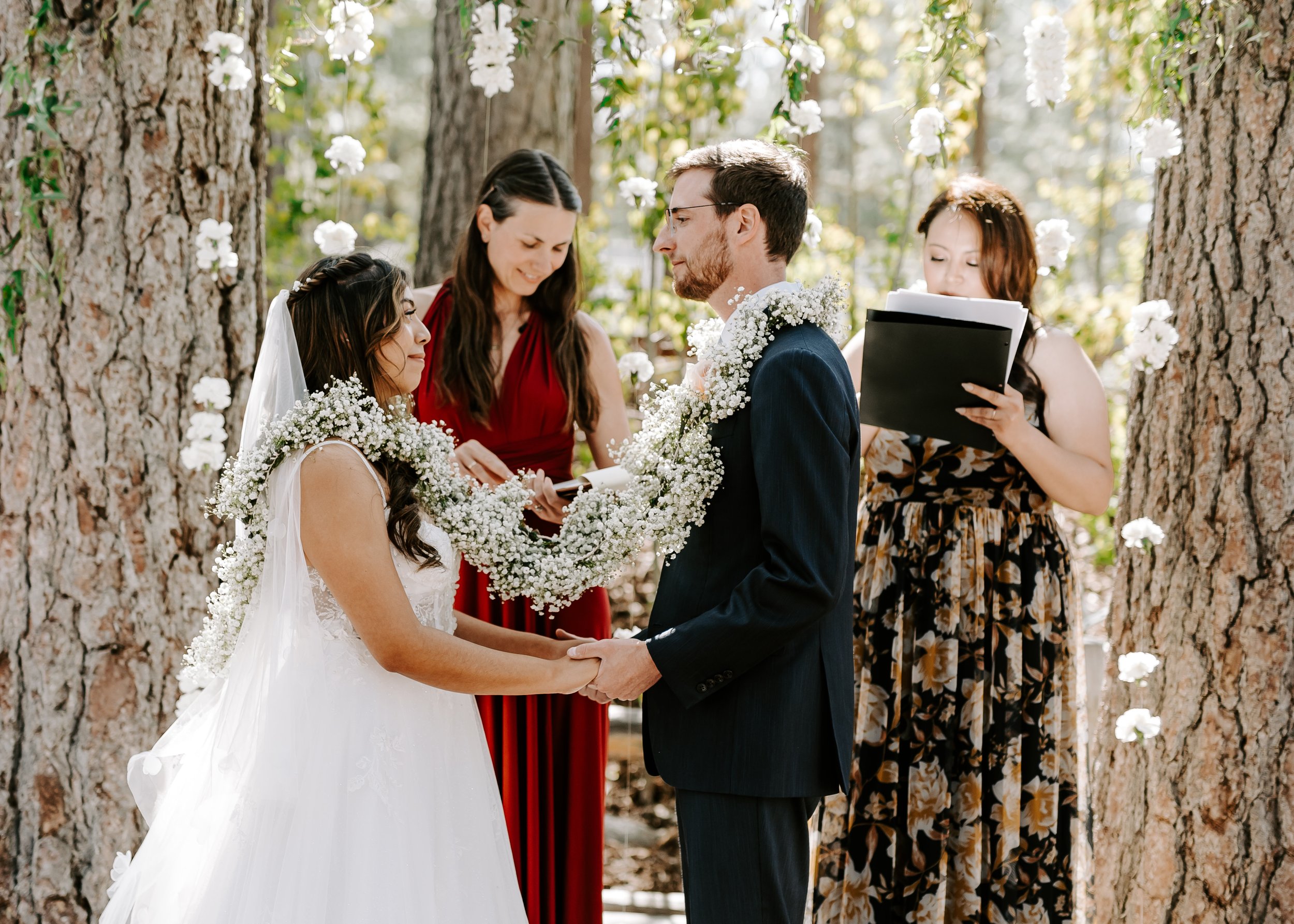
Do You Have to Be Ordained to Officiate a Wedding?
If someone you love has asked you to officiate their wedding, congratulations. It’s a meaningful honor, but it’s also normal to feel unsure about whether you’re actually allowed to officiate a wedding.
You might find yourself wondering:
Am I legally allowed to do this?
What does “ordained” actually mean?
How complicated is the process?
What if I make a mistake?
Take a deep breath - you’re at the right place.
In this blog, I’ll walk you through everything you need to know about the legal requirements to officiate a wedding, so you can feel confident, prepared, and fully supported every step of the way.
Is Ordination Required to Officiate a Wedding?
In many places, officiating a wedding comes with legal responsibilities. To sign and submit the marriage license, the officiant usually needs to be legally recognized by the state or local authority. In most U.S. states, that recognition comes through ordination.
That said, wedding laws are not the same everywhere. Requirements can vary depending on:
The state where the wedding takes place
The county handling the marriage license
The country, in the case of destination weddings
Some locations allow judges, justices of the peace, or other public officials to officiate weddings. Others are more flexible and permit both religious and non-religious ordained officiants to perform ceremonies.
Because of these differences, many couples and first-time officiants choose ordination as the simplest and most reliable way to meet legal requirements.
How to Get Ordained to Officiate a Wedding?
Below is a step-by-step breakdown to help you feel confident and clear from start to finish.
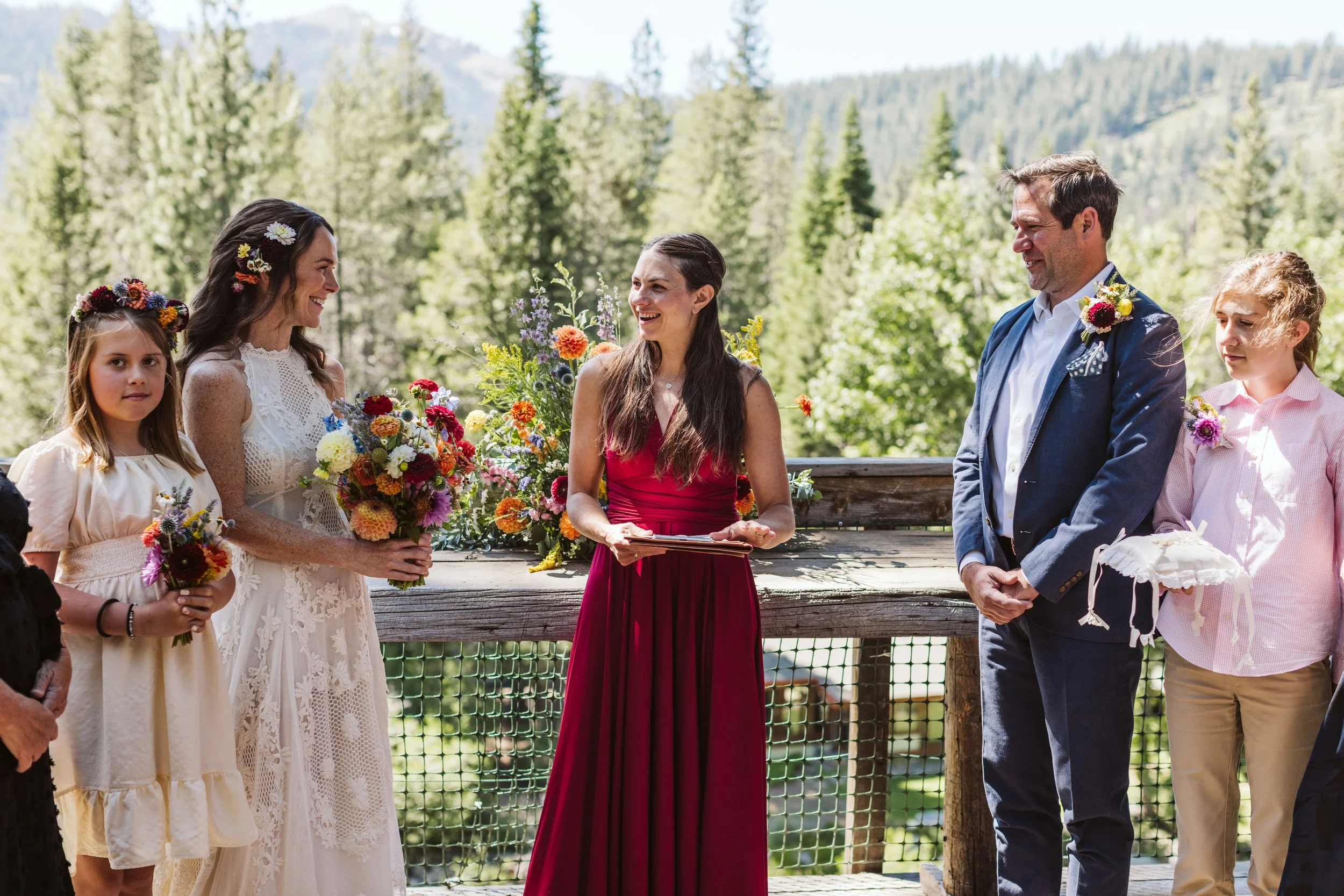
Step 1: Find Out the Legal Requirements Where the Wedding Will Take Place
Before getting ordained, it’s important to know the rules for the specific location of the wedding. Marriage laws are set at the state or local level, which means requirements can vary.
Start by confirming:
The state where the wedding will take place
Whether that state accepts online ordination
If the county requires officiant registration before the ceremony
Some states are very flexible, while others have extra steps. Knowing this early helps you avoid last-minute stress.
Step 2: Choose a Recognized Ordination Organization
Once you understand the rules in your state or county, the next step is choosing an organization to get ordained through. Many people are surprised to learn that ordination doesn’t have to be religious. There are also non-religious and non-denominational options made specifically for wedding ceremonies.
A clear, recognized ordination makes it easier to meet legal requirements and avoids confusion later, especially when it’s time to complete the marriage paperwork. Universal Life Church is a free and easy option that is accepted in most U.S. states.
Step 3: Complete the Ordination Process
For most people, this is the easiest part.
The process typically involves:
Filling out a short online form
Confirming your name and basic details
Receiving instant or same-day confirmation
In many cases, you’ll be officially ordained within minutes. Some organizations also offer downloadable certificates or physical documents, which can be helpful if the county clerk asks for proof.
Step 4: Register With the County (If Required)
In certain states or counties, being ordained is not the final step. Some locations require officiants to register with the local clerk before performing a wedding.
This step may involve submitting your ordination certificate, filling out a simple registration form, and making sure everything is completed before the wedding date. Not every place requires this extra step, but missing it when it is needed can create issues with the marriage license. Taking the time to check this detail in advance helps avoid unnecessary stress later on.
Step 5: Understand Your Role Beyond Ordination
Getting ordained allows you to legally officiate a wedding - but it doesn’t automatically prepare you to lead a ceremony.
As the officiant, you have several important responsibilities:
Leading the ceremony – You’ll guide the flow of the ceremony, making sure everything moves smoothly and feels comfortable for the couple and their guests.
Including required legal language – Some locations require specific wording to be spoken during the ceremony for the marriage to be legally valid.
Guiding the I Dos – You help the couple through their I Dos, whether they’ve written their own or are using prepared wording.
Handling the marriage license – After the ceremony, you’ll sign the marriage license and ensure it’s returned correctly and on time.
This is often the point where first-time officiants begin to feel nervous. Wanting to do a good job is completely natural - especially when the couple means so much to you.
Seek Professional Guidance and Support
The above-mentioned steps help get legally prepared to officiate a wedding, but even small details can feel overwhelming, especially if it’s your first time. Getting professional guidance can make a big difference, helping you feel confident, prepared, and supported in every aspect of the ceremony.
Sarah Melissa Oswald, of Lead Your Love Life, welcomes couples, whether you’re looking for full wedding officiant services or simply need guidance for someone you’ve asked to officiate.
She begins by learning about what matters most to you and your partner, shaping the ceremony’s tone, structure, and emotional core. Through thoughtful questions and prompts, she often helps couples connect more deeply as they prepare for their big day.
She works closely with you to design a personalized ceremony, and closely with your officiant of choice to provide tools, tips, and training so they feel confident leading the ceremony. From public speaking and ordination guidance to creating a personalized ceremony and overseeing all legal requirements, Sarah ensures your wedding officiant is fully prepared to deliver a ceremony that feels authentic and heartfelt.
Related Articles -
Why Hiring a Professional Wedding Ceremony Officiant Is A Smart Move
How to Choose the Right Wedding Ceremony Officiant
Common Myths About Wedding Ordination
Myth: You have to be religious
Truth: Many ordained officiants are non-religious
Myth: It takes months
Truth: Most ordinations are completed within minutes
Myth: You can only officiate once
Truth: Ordination usually lasts for life
Myth: It’s complicated
Truth: The legal part is often simpler than expected
Get in touch with Sarah to talk about your wedding ceremony plans and requirements.
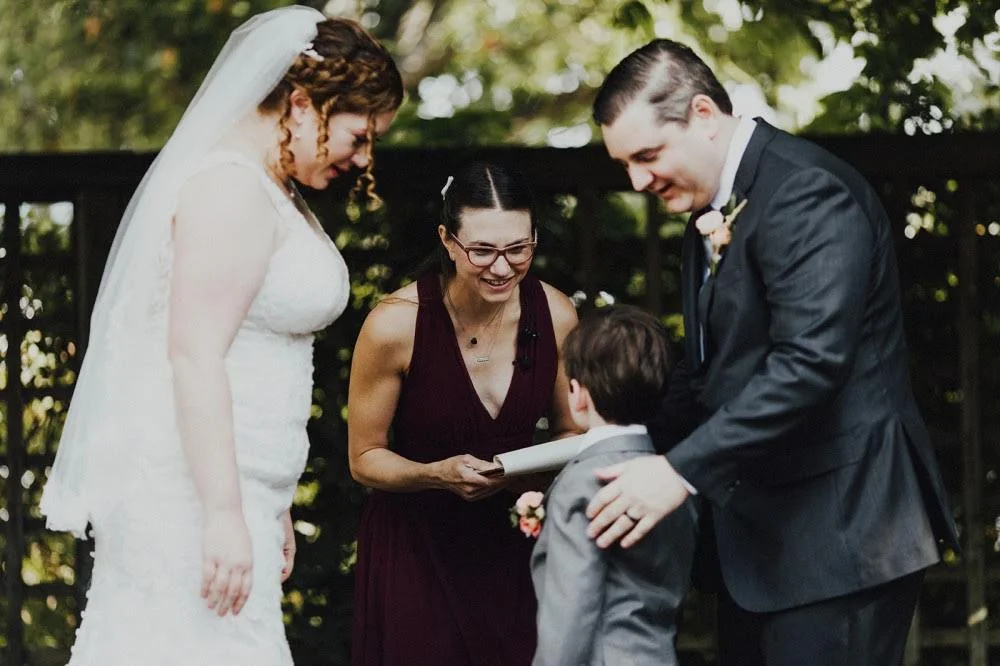
How to Choose the Right Wedding Ceremony Officiant
Your wedding ceremony is the heart of your wedding day. It is the moment where promises are spoken, emotions are felt, and your relationship is honored in front of the people you love. While many couples spend months choosing a venue, outfits, and décor, choosing the right wedding ceremony officiant often doesn’t get the same attention. Yet, the officiant plays one of the most important roles in your wedding.
Finding the right officiant, however, is not always simple. In this blog, we will cover the key factors to consider when choosing a wedding officiant, ensuring your ceremony feels personal, thoughtful, and true to your relationship.
Your wedding ceremony is the heart of your wedding day. It is the moment where promises are spoken, emotions are felt, and your relationship is honored in front of the people you love. While many couples spend months choosing a venue, outfits, and décor, choosing the right wedding ceremony officiant often doesn’t get the same attention. Yet, the officiant plays one of the most important roles in your wedding.
Finding the right officiant, however, is not always simple. In this blog, we will cover the key factors to consider when choosing a wedding officiant, ensuring your ceremony feels personal, thoughtful, and true to your relationship.
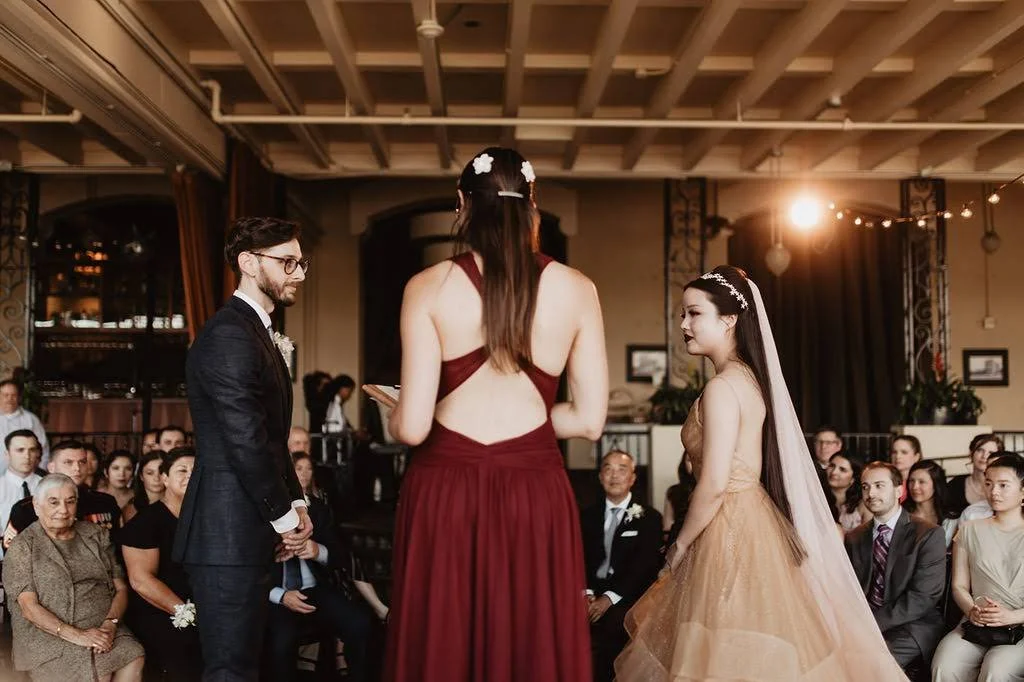
How to Choose an Officiant for Your Wedding?
1. Consider What You Want From Your Officiant
Before searching for an officiant, take time to talk with your partner about how you want your ceremony to feel - whether you prefer a traditional, structured ceremony or a relaxed and conversational style.
There is no right or wrong choice, but having clarity makes choosing a wedding officiant much easier. Being clear about your priorities, such as sharing your personal story, getting help with “I Dos”, or having someone who can confidently support nervous speakers and handle family expectations, helps you find an officiant who fits your needs.
2. Understand the Different Types of Wedding Officiants
There are a few main types of wedding officiants, and each comes with its own approach and benefits:
Professional Wedding Ceremony Officiants: These officiants specialize in weddings. They can help you write a personalized ceremony, guide you through the planning process, and handle all legal requirements. If you want someone experienced who can manage the details and make the ceremony smooth, this is a reliable choice.
Religious Officiants: If faith is important in your relationship, a religious officiant can perform a ceremony following your traditions or practices. It’s important to discuss expectations early to make sure the ceremony aligns with your beliefs.
Civil Officiants: Civil officiants are legally authorized by the government to perform weddings, but they are not connected to any religion. They handle the legal aspects of marriage and typically perform secular, standard ceremonies. This option is ideal for couples who want a simple, non-spiritual ceremony that is legally valid.
Friends or Family Members: Some couples prefer someone they know to officiate their wedding. This can make the ceremony feel very personal and meaningful. Keep in mind, though, that this path requires preparation and support to ensure the ceremony flows smoothly and is legally valid.
Check out: Why Hiring a Professional Wedding Ceremony Officiant Is A Smart Move

3. Make Sure the Officiant Is Legally Authorized
Before the wedding, confirm that the officiant performing your ceremony is legally allowed to do so in your state or country. Having a legally authorized officiant ensures that your marriage is officially recognized and valid, so you won’t run into legal issues later. It also gives peace of mind that all paperwork will be completed correctly and submitted on time.
4. Look for Experience, Not Just Availability
An experienced wedding officiant knows how to manage timing, handle unexpected situations, and keep the ceremony flowing smoothly. They are often better at making ceremonies feel natural and personal because they know how to adapt.
When talking with potential officiants, ask how long they have been officiating and what kind of ceremonies they specialize in. Someone who has guided many couples will likely be more confident and supportive.
5. Pay Attention to Communication Style
How an officiant communicates is just as important as their experience. You should feel comfortable sharing your ideas, asking questions, and discussing your preferences. A good officiant listens carefully, explains their process clearly, and respects your input.
Clear and open communication ensures your ceremony reflects your story and vision. It also helps avoid misunderstandings, keeps the planning process smooth, and gives you confidence that the ceremony will run smoothly on the wedding day.
6. Ask About Personalization and Ceremony Writing
When choosing a wedding officiant, ask how much they can personalize your ceremony. Find out if they can include your story, incorporate personal “I Dos”, or add meaningful touches that reflect your relationship.
Knowing what level of customization they offer helps ensure your ceremony feels unique and truly represents you as a couple.
7. Consider Their Presence and Speaking Style
Your wedding officiant will be standing in front of your guests and guiding one of the most emotional moments of your life. Their presence matters. Pay attention to how they speak. Is their tone calm and clear? Do they feel genuine and warm? Can you imagine them representing your relationship in front of your loved ones?
You do not need someone who is dramatic or overly expressive. What matters most is that their style feels right for you. A good officiant helps guests feel connected to the moment without drawing attention away from the couple.
8. Ask About Support Beyond the Ceremony Day
Some officiants offer guidance beyond just performing the ceremony. Ask if they can help with writing “I Dos”, planning the ceremony structure, or coordinating with other vendors. Understanding what kind of support is included can make the planning process easier and less stressful, and ensure you feel confident and prepared on your wedding day.
9. Talk About Pricing and What’s Included
Ask for a clear breakdown of the wedding officiant’s fee and what it covers, such as consultations, ceremony writing, rehearsal attendance, and travel. Clarify any additional costs or optional services.
10. Look for Reviews and Testimonials
Before finalizing your choice, check reviews or ask for testimonials from previous couples. Hearing about other couples’ experiences can give you insight into the officiant’s style, reliability, and ability to create a meaningful ceremony.
Choose Sarah Melissa Oswald as Your Wedding Officiant
For a wedding ceremony that is truly meaningful, personal, and memorable, Sarah from Lead Your Love Life is an exceptional choice. She creates ceremonies that reflect your unique love story and personal style, ensuring every moment feels authentic and heartfelt.
As an ordained minister, Sarah is legally authorized to perform weddings and handle all the necessary paperwork, making your marriage officially recognized. She brings experience, warmth, and presence to every ceremony, helping couples feel confident and at ease as they share their vows.
She specializes in crafting personalized ceremonies, from including your own “I Dos” to incorporating meaningful traditions or creating a unique experience. She provides full support throughout the planning process, answering questions and offering guidance whenever needed. Sarah also offers premarital relationship coaching, supporting you to build a secure foundation for an extraordinary partnership.
Hear what couples share about Sarah!
Common Mistakes to Avoid When Choosing a Wedding Officiant
Waiting too long to book an officiant.
Focusing only on availability without considering fit.
Avoiding questions because of uncertainty.
Overlooking whether the officiant’s style matches your desired ceremony.
Not confirming the officiant is legally authorized to perform weddings.
Book a free consultation with Sarah to share your ideas, explore ceremony options, and begin crafting a wedding ceremony that feels truly personal and meaningful.
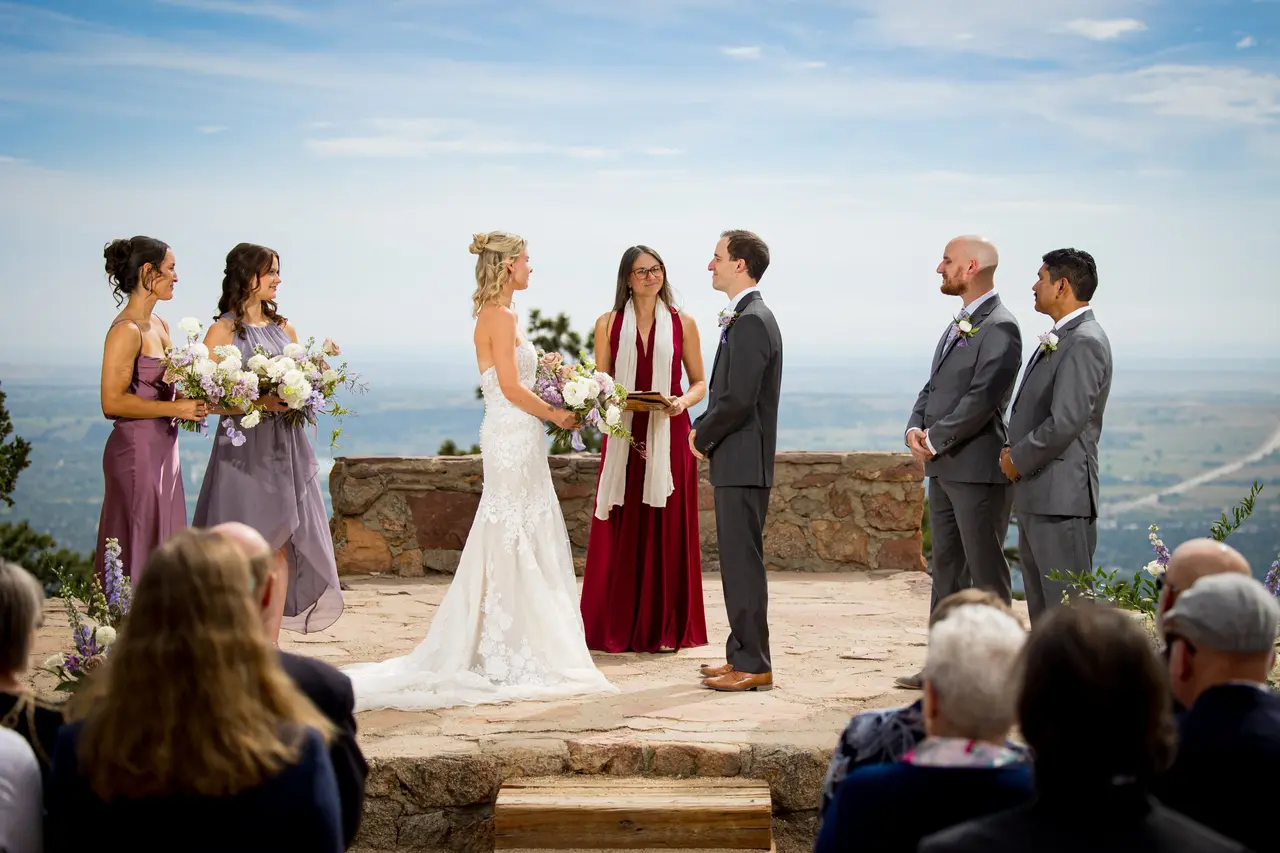
Why Hiring a Professional Wedding Ceremony Officiant Is A Smart Move
Learn why hiring a professional wedding officiant adds meaning, ease, and legal confidence to your ceremony for a truly unforgettable wedding day.
When couples begin planning their wedding, many major decisions come to mind - venue, décor, photography, catering, and clothing. But one of the most important decisions of all often gets pushed to the bottom of the list: who will officiate the ceremony. While it can be tempting to ask a friend or family member to take on the role, hiring a professional wedding ceremony officiant can elevate your wedding in ways you may not expect.
Let’s explore why hiring a professional is one of the best decisions you can make for your wedding day.
Why Should You Hire a Professional Wedding Officiant?
When you picture your wedding day, the flowers, venue, and celebration may come to mind - but the ceremony is the true heart of it all. It’s the moment you officially begin your marriage and share your promises in front of the people you love. Choosing to hire a wedding officiant who is trained, experienced, and confident ensures that this moment is as meaningful, seamless, and memorable as it deserves to be.
Below are the key reasons couples choose a professional wedding officiant and why it’s one of the most valuable decisions you can make when planning your wedding.
1. Professional Storytelling Brings Your Love Story to Life
A skilled wedding ceremony officiant doesn’t just read a script; they craft a ceremony that feels personal and intentional. They take the time to learn your relationship history, your personalities, and what marriage means to you. This storytelling ability transforms your ceremony into an emotional, engaging experience your guests will truly connect with.
2. Expert Coordination Keeps Your Ceremony Flowing Smoothly
A ceremony looks simple from the outside, but there are many moving pieces. When you hire an officiant for wedding celebrations, you get someone who understands pacing, transitions, cues, and timing. From the processional to the vows to the pronouncement, everything feels polished and effortless.
3. Support During the Ceremony
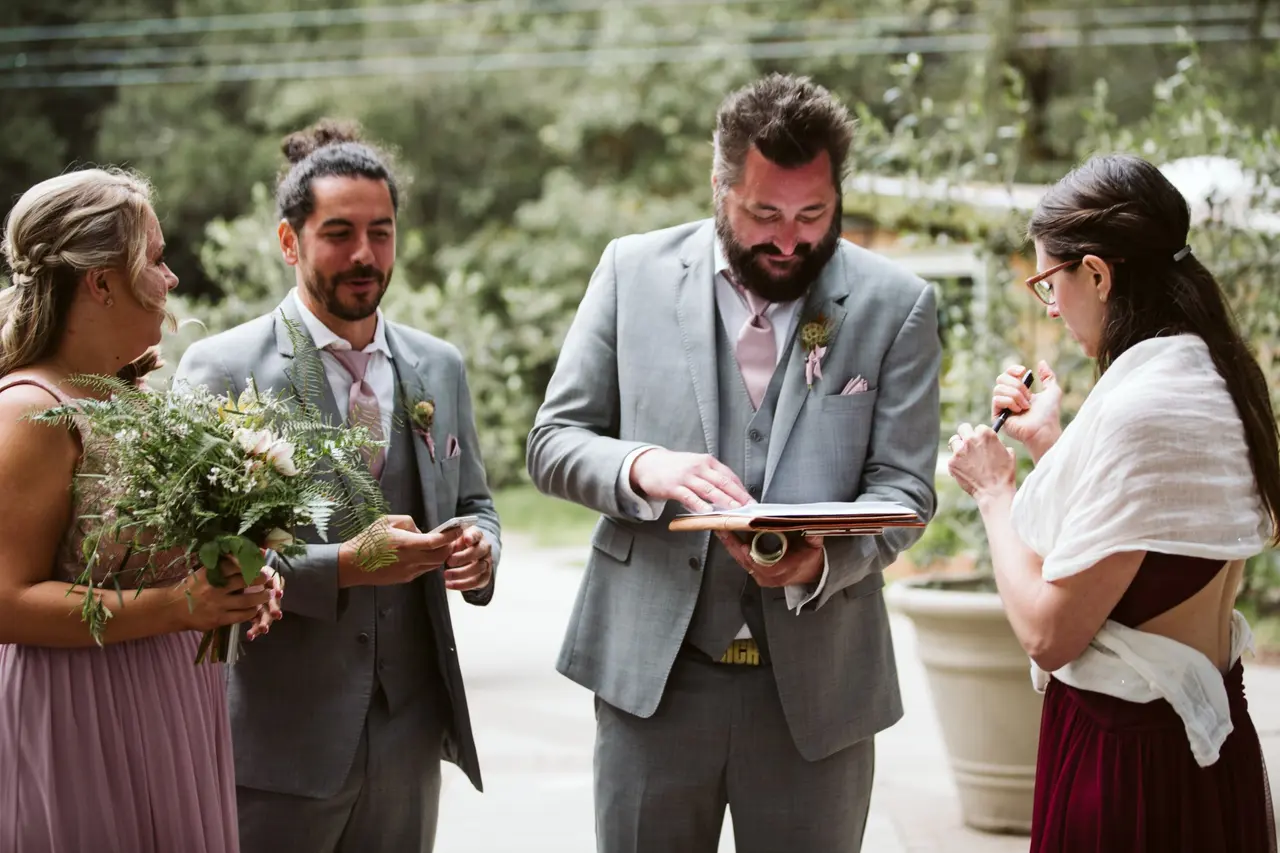
Standing in front of your guests can feel overwhelming. A professional officiant brings calm, clarity, and reassurance. They guide you gently through each moment so you never feel unsure, rushed, or confused - just fully present with your partner.
4. Proper Legal Knowledge Protects the Validity of Your Marriage
One of the essential roles of any wedding officiant is to make sure your marriage is legally recognized. While the exact rules vary from state to state, a professional officiant knows the universal requirements, including:
How to properly complete your marriage license (names, dates, county info, signatures).
Who must be present (usually the couple, the officiant, and often one or two witnesses, depending on the state).
When and where the license must be signed (some states require signing during the ceremony, others allow before or after).
How and when to return the license to the county clerk.
Need an Ordained Wedding Ceremony Officiant?
At Lead Your Love Life, we understand how important it is to feel legally guided and supported during life’s most meaningful moments. Contact Sarah today - an ordained minister and legally authorized professional wedding officiant - to help you begin your journey with clarity, warmth, and confidence.
5. Personalized Ceremony Design Reflects Your Beliefs and Values
A professional officiant takes the time to understand your beliefs, values, and overall vision for your ceremony. Whether you prefer something spiritual, religious, interfaith, or fully custom, they design a ceremony that feels true to who you are as a couple. From selecting readings and unity rituals to shaping your vows and cultural traditions, a professional helps you create a meaningful, personalized experience that creatively reflects your unique relationship.
6. Hiring a Professional Wedding Officiant Lets You Enjoy the Day More Fully
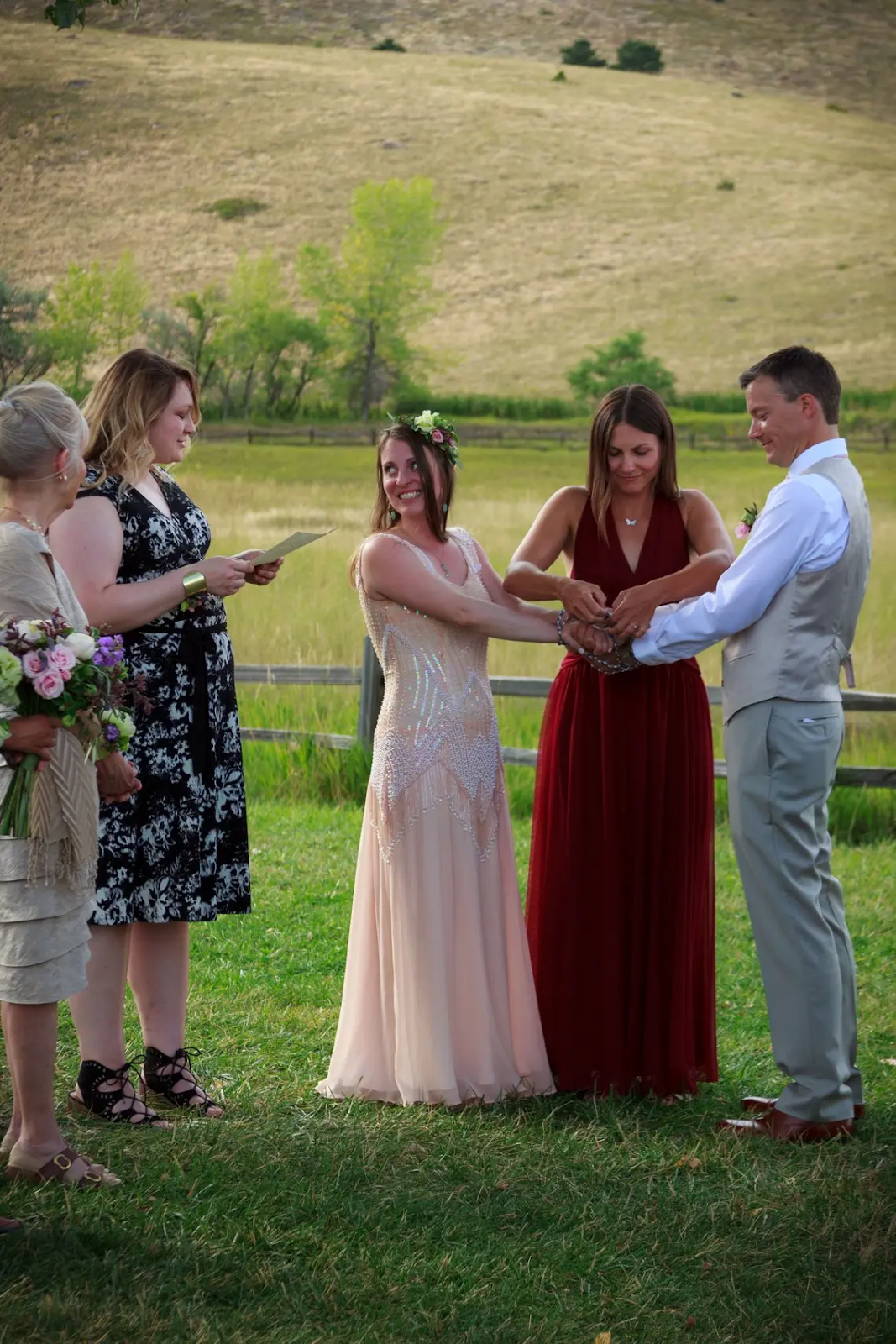
Asking a friend or family member to officiate may feel meaningful, but it also places a lot of pressure and responsibility on them (and likely on you!). When you hire a professional wedding officiant, you and your loved ones can relax, be fully present, and enjoy the ceremony without the stress of leading it.
7. Officiant Awareness Enhances Your Photos and Video
Many couples don’t realize how much an officiant can influence their wedding photos and video. A professional knows when to step aside, where to stand, and how to stay in the background during important moments - allowing your vows and reactions to be captured clearly and beautifully.
8. Professional Officiants Handle Unexpected Situations with Ease
Weddings are joyful, but they can also be unpredictable. Weather, microphones, time changes, or emotional moments can influence the flow of the ceremony.
An experienced wedding ceremony officiant knows how to adjust in the moment without causing disruption. They calmly redirect attention, smooth over delays, and handle surprises gracefully. Their ability to maintain calm makes your ceremony feel effortless, no matter what happens.
Why Lead Your Love Life Is the Right Choice to Officiate Your Wedding Ceremony
Your wedding ceremony is the moment your love story becomes a marriage - a moment that deserves intention, care, and someone who truly understands its meaning. At Lead Your Love Life, Sarah offers a thoughtful blend of professionalism, compassion, and personalization that transforms this milestone into an experience you’ll remember for a lifetime.
With a 5-star overall rating for quality, professionalism, responsiveness, flexibility, and value, couples consistently share how supported and understood they feel from their very first conversation with Sarah to the moment they exchange “I Dos”.
What truly sets Lead Your Love Life apart is the heart behind the service. Sarah believes your ceremony should feel like you - authentic, inclusive, and meaningful. She stands as an ally to marginalized identities, creating a genuinely welcoming and affirming environment. Whether your vision is spiritual, religious, interfaith, or entirely custom, we design a ceremony that honors your story, your values, and your connection.
With a background in relationship coaching, Sarah brings a deep emotional understanding that helps couples feel supported long before they walk down the aisle.
See the real experiences shared by Kiyomi and Joel here!
FAQs About Hiring a Professional Wedding Ceremony Officiant
Q 1. How far in advance should we book?
Booking early is recommended to ensure availability. However, Sarah does her best to accommodate last-minute ceremonies when possible.
Q 2. How much does an officiant cost?
At Lead Your Love Life, your investment depends on the level of support and personalization you want for your ceremony. Instead of offering a one-size-fits-all price, we provide three curated packages designed to accommodate different needs, styles, and wedding experiences.
Q 3. How do we get started?
Simply reach out! Sarah will schedule a free consultation to discuss your vision, answer questions, and begin crafting your perfect ceremony.