
Do You Have to Be Ordained to Officiate a Wedding?
If someone you love has asked you to officiate their wedding, congratulations. It’s a meaningful honor, but it’s also normal to feel unsure about whether you’re actually allowed to officiate a wedding.
You might find yourself wondering:
Am I legally allowed to do this?
What does “ordained” actually mean?
How complicated is the process?
What if I make a mistake?
Take a deep breath - you’re at the right place.
In this blog, I’ll walk you through everything you need to know about the legal requirements to officiate a wedding, so you can feel confident, prepared, and fully supported every step of the way.
Is Ordination Required to Officiate a Wedding?
In many places, officiating a wedding comes with legal responsibilities. To sign and submit the marriage license, the officiant usually needs to be legally recognized by the state or local authority. In most U.S. states, that recognition comes through ordination.
That said, wedding laws are not the same everywhere. Requirements can vary depending on:
The state where the wedding takes place
The county handling the marriage license
The country, in the case of destination weddings
Some locations allow judges, justices of the peace, or other public officials to officiate weddings. Others are more flexible and permit both religious and non-religious ordained officiants to perform ceremonies.
Because of these differences, many couples and first-time officiants choose ordination as the simplest and most reliable way to meet legal requirements.
How to Get Ordained to Officiate a Wedding?
Below is a step-by-step breakdown to help you feel confident and clear from start to finish.
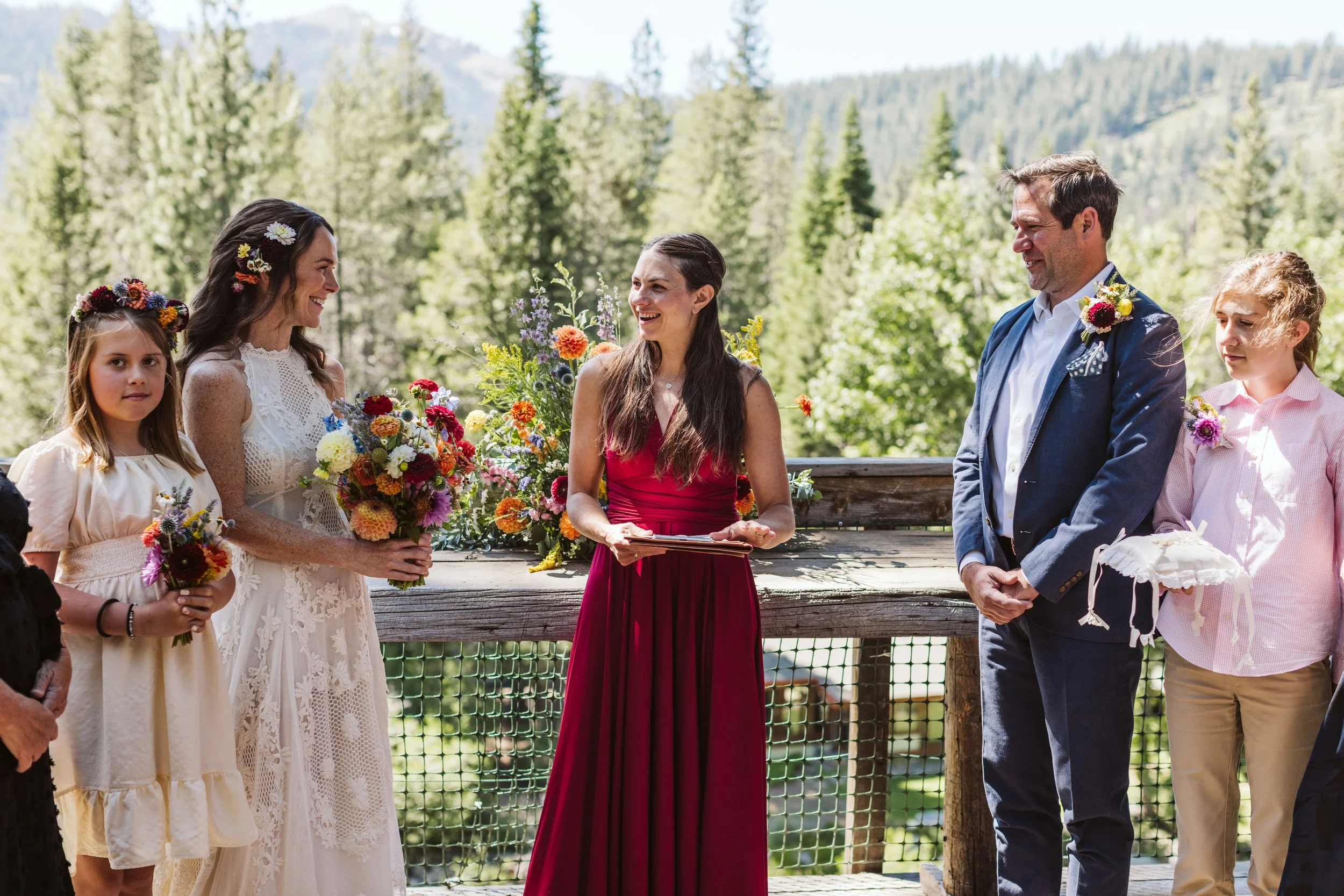
Step 1: Find Out the Legal Requirements Where the Wedding Will Take Place
Before getting ordained, it’s important to know the rules for the specific location of the wedding. Marriage laws are set at the state or local level, which means requirements can vary.
Start by confirming:
The state where the wedding will take place
Whether that state accepts online ordination
If the county requires officiant registration before the ceremony
Some states are very flexible, while others have extra steps. Knowing this early helps you avoid last-minute stress.
Step 2: Choose a Recognized Ordination Organization
Once you understand the rules in your state or county, the next step is choosing an organization to get ordained through. Many people are surprised to learn that ordination doesn’t have to be religious. There are also non-religious and non-denominational options made specifically for wedding ceremonies.
A clear, recognized ordination makes it easier to meet legal requirements and avoids confusion later, especially when it’s time to complete the marriage paperwork. Universal Life Church is a free and easy option that is accepted in most U.S. states.
Step 3: Complete the Ordination Process
For most people, this is the easiest part.
The process typically involves:
Filling out a short online form
Confirming your name and basic details
Receiving instant or same-day confirmation
In many cases, you’ll be officially ordained within minutes. Some organizations also offer downloadable certificates or physical documents, which can be helpful if the county clerk asks for proof.
Step 4: Register With the County (If Required)
In certain states or counties, being ordained is not the final step. Some locations require officiants to register with the local clerk before performing a wedding.
This step may involve submitting your ordination certificate, filling out a simple registration form, and making sure everything is completed before the wedding date. Not every place requires this extra step, but missing it when it is needed can create issues with the marriage license. Taking the time to check this detail in advance helps avoid unnecessary stress later on.
Step 5: Understand Your Role Beyond Ordination
Getting ordained allows you to legally officiate a wedding - but it doesn’t automatically prepare you to lead a ceremony.
As the officiant, you have several important responsibilities:
Leading the ceremony – You’ll guide the flow of the ceremony, making sure everything moves smoothly and feels comfortable for the couple and their guests.
Including required legal language – Some locations require specific wording to be spoken during the ceremony for the marriage to be legally valid.
Guiding the I Dos – You help the couple through their I Dos, whether they’ve written their own or are using prepared wording.
Handling the marriage license – After the ceremony, you’ll sign the marriage license and ensure it’s returned correctly and on time.
This is often the point where first-time officiants begin to feel nervous. Wanting to do a good job is completely natural - especially when the couple means so much to you.
Seek Professional Guidance and Support
The above-mentioned steps help get legally prepared to officiate a wedding, but even small details can feel overwhelming, especially if it’s your first time. Getting professional guidance can make a big difference, helping you feel confident, prepared, and supported in every aspect of the ceremony.
Sarah Melissa Oswald, of Lead Your Love Life, welcomes couples, whether you’re looking for full wedding officiant services or simply need guidance for someone you’ve asked to officiate.
She begins by learning about what matters most to you and your partner, shaping the ceremony’s tone, structure, and emotional core. Through thoughtful questions and prompts, she often helps couples connect more deeply as they prepare for their big day.
She works closely with you to design a personalized ceremony, and closely with your officiant of choice to provide tools, tips, and training so they feel confident leading the ceremony. From public speaking and ordination guidance to creating a personalized ceremony and overseeing all legal requirements, Sarah ensures your wedding officiant is fully prepared to deliver a ceremony that feels authentic and heartfelt.
Related Articles -
Why Hiring a Professional Wedding Ceremony Officiant Is A Smart Move
How to Choose the Right Wedding Ceremony Officiant
Common Myths About Wedding Ordination
Myth: You have to be religious
Truth: Many ordained officiants are non-religious
Myth: It takes months
Truth: Most ordinations are completed within minutes
Myth: You can only officiate once
Truth: Ordination usually lasts for life
Myth: It’s complicated
Truth: The legal part is often simpler than expected
Get in touch with Sarah to talk about your wedding ceremony plans and requirements.